Heat Treatment for Bed Bugs: The Comprehensive Guide to Eliminating Bed Bugs
Heat treatment for bed bugs has become a reliable, chemical-free solution for homeowners. This approach efficiently increases temperatures to eradicate all life stages of these pests. Understanding its mechanics and benefits is essential for individuals confronting pest problems. Proper preparation and maintenance after treatment can greatly impact success rates. Yet, many homeowners neglect important measures. What steps are required to ensure a lasting, pest-free home? Exploring these aspects can provide clarity and guidance.
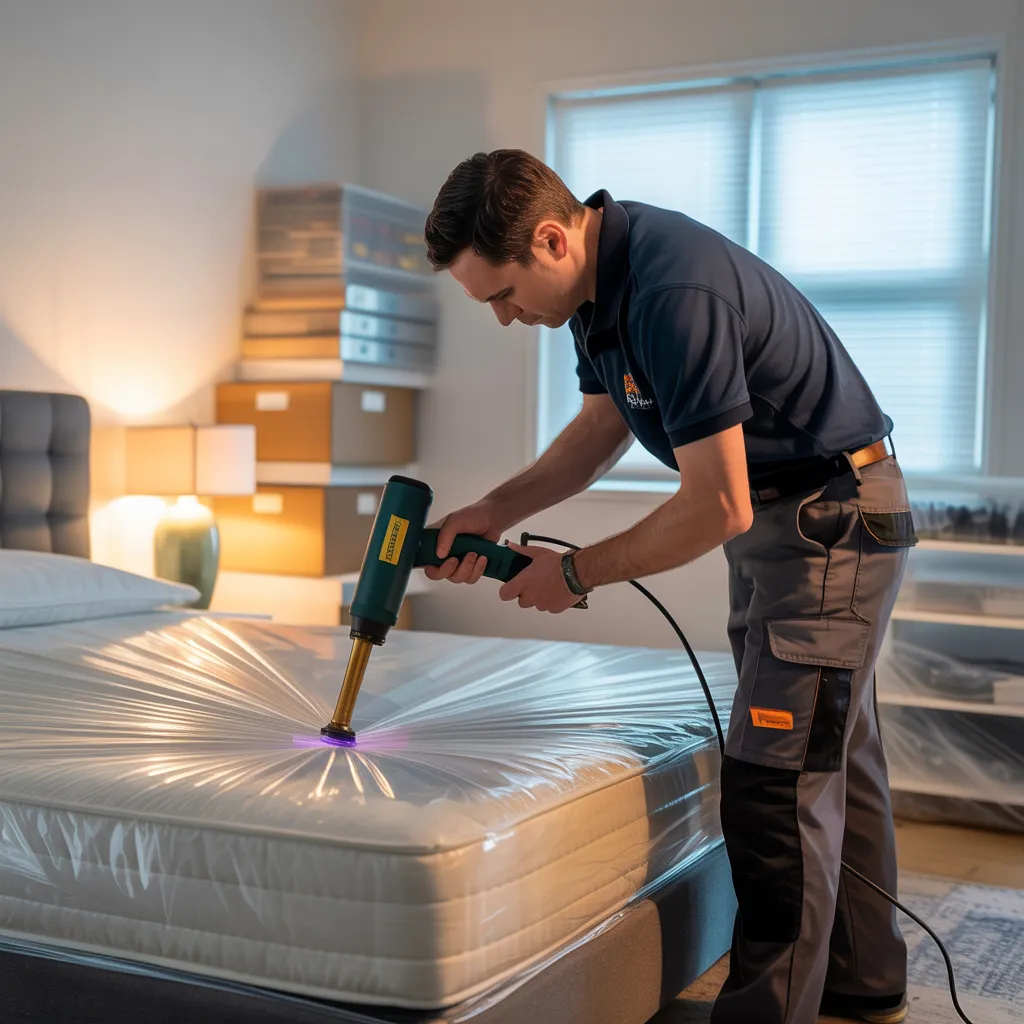
Why Bed Bugs Are a Significant Worry for Homeowners
While bed bugs might appear to be a minor inconvenience, they present serious difficulties for homeowners. Such parasites, capable of multiplying quickly, cause worry and distress as a result of their nightly feeding patterns. Bites from these insects can cause allergic reactions and subsequent infections, making removal critically important. Additionally, bed bugs are notoriously difficult to eliminate; they can hide in tiny crevices and survive without feeding for extended periods.
The stigma associated with bed bug infestations may also impact property values and rental opportunities. Property owners often encounter significant financial strain from repeated treatments and potential losses in hotel and lodging environments. Moreover, the emotional toll of managing an infestation can contribute to stress and sleepless nights.
How Does Heat Treatment Work for Bed Bugs?
Heat treatment efficiently destroys bed bugs by elevating the temperature in contaminated areas to temperatures that are deadly for these insects. Typically, this involves heating a room or space to a maintained temperature of 120°F to 140°F (49°C to 60°C). At such temperatures, bed bugs, along with their eggs and nymphs, are unable to survive for extended periods.
The procedure necessitates specialized equipment to confirm uniform heat dispersal, penetrating every area where bed bugs could be concealed, such as wall cracks, mattresses, and furniture surfaces. It is critical to measure the temperature consistently throughout the procedure to verify the treatment's success.
Heat treatment represents a chemical-free approach, making it environmentally friendly and safe for households. Nevertheless, it requires careful and thorough preparation, including the removal of heat-sensitive items and confirming that the space is sealed to maintain the elevated temperature. This technique not only eradicates visible insects but also tackles hidden colonies, delivering a comprehensive remedy for infestations.
Benefits of Heat Treatment for Bed Bugs Compared to Other Methods
The benefits of heat treatment for bed bugs are evident when measured against traditional pest control methods. Unlike chemical treatments, heat successfully eradicates all life stages of bed bugs, encompassing eggs, larvae, and adults, guaranteeing total elimination. This approach reaches deep into walls, furniture, and bedding, reaching temperatures lethal to these pests.
Additionally, heat treatment is a green solution, as it does not require the use of toxic chemicals that can be hazardous to the health of humans and pets. It also decreases the risk of developing resistance, a common issue with chemical-based methods, as bed bugs are less likely to survive extreme heat.
In addition, heat treatment solutions typically require only one treatment session, cutting down on the time and cost involved in multiple chemical treatments. All things considered, heat treatment stands out as a thorough, efficient, and safer alternative for maintaining a pest-free home.
How to Get Your Home Ready for Effective Heat Treatment
Setting up a home for successful heat treatment against bed bugs includes several important measures. As a first step, it is vital to remove all clutter from the treatment area to ensure thorough heat penetration. Additionally, safeguarding items sensitive to heat is required to prevent essential resource damage during the treatment process.
Ready The Treatment Area
Careful preparation of the treatment area is vital for efficient heat treatment against bed bugs. Homeowners ought to start by tidying up the area, eliminating any unnecessary objects that may obstruct the treatment process. Furniture should be moved away from walls, allowing heat to circulate freely. Bedding, clothing, and personal belongings must be relocated to prevent damage and ensure complete heat penetration. It is equally important to vacuum the space to eradicate any current bed bugs and eggs before treatment. As a final step, closing windows and doors reduces heat dissipation, improving the overall efficiency of the treatment. Carefully preparing the treatment area enhances the probability of successfully removing bed bugs and maintaining a pest-free household.
Protect Heat-Vulnerable Belongings
Following the clearance of the treatment area, attention must turn to protecting items sensitive to heat. Such items, which may include electronics, delicate fabrics, and artwork, could be compromised by the elevated temperatures of heat treatment. You must find and remove these belongings from the treatment area. Electronics should be unplugged and stored in a cooler room, and delicate fabrics should be transferred to a safe environment. In addition, medications, cosmetics, and any other items sensitive to heat must be securely stored away. It is advisable for homeowners to consult manufacturer recommendations for particular items to confirm safe and appropriate storage. This proactive approach not only safeguards valuables but also enhances the effectiveness of the heat treatment process against bed bugs.
What to Expect During Heat Treatment
During heat-based treatment for bed bug infestations, meticulous preparation work is essential to ensure efficacy. Property owners can look forward to a systematic process that encompasses measuring temperature levels and ensuring that every area are sufficiently treated with heat. After the treatment, targeted post-treatment steps will be needed to verify effectiveness and prevent future infestations.
What to Do Before Treatment
Preparing for heat treatment involves a series of essential steps to secure both effectiveness and safety. Initially, residents should tidy up the area to ensure all surfaces are available. Items such as bedding, clothing, and curtains need to be cleaned in hot water and tumble dried on high heat to eradicate any hidden bed bugs. Furniture should be pulled away from walls, and any items sensitive to heat, like electronic devices and plants, should be removed or protected. It is equally important to notify pest control professionals about any specific concerns or areas of infestation. Finally, residents should arrange a temporary relocation during the treatment, as the heat will rise substantially, making the environment unsuitable for all occupants and pests.
Post-Treatment Follow-Up Steps
During heat treatment for bed bugs, homeowners should anticipate a comprehensive and methodical procedure aimed at eradicating the pests. Once the treatment has concluded, the primary action requires a temperature reduction phase, during which the affected spaces will slowly reach their standard temperature levels. Technicians will then conduct a comprehensive examination to verify that all bed bugs as well as egg deposits have been completely removed. Occupants are advised to observe their residential areas for any signs of resurgence such as bites or fecal stains. It is advisable to wash all bedding and clothing to remove any remaining insects. Additionally, persistent monitoring is necessary; regular inspections and preventive measures can assist in keeping the space free of pests. Homeowners could also be given recommendations for proper post-treatment maintenance.
How to Preserve a Bed Bug-Free Home Following Treatment
What steps can ensure a home remains free of bed bugs following treatment? Sustaining a pest-free living space calls for dedicated and thorough efforts. To begin, conducting routine checks of sleeping areas, furniture, and luggage is effective in detecting any pests that may return. Thorough and frequent vacuuming, most notably in locations where bed bugs tend to lurk, is a necessary practice. Using a vacuum equipped with a HEPA filter and promptly discarding the vacuum bag after each use is strongly recommended.
Moreover, covering mattresses and box springs in protective covers can guard against potential re-infestation. Reducing excess clutter around the home eliminates harborage areas for bed bugs. While traveling, one should thoroughly inspect lodging rooms and make sure to keep luggage off the floor on racks.
To conclude, speaking with those sharing your living space about bed bug awareness ensures everyone is alert, promoting a shared effort in avoiding infestations. By following these guidelines, one can substantially minimize the chances of a reinfestation of bed bugs, ensuring a comfortable and bug-free household.
Stopping Future Bed Bug Infestations
To effectively prevent future bed bug infestations, homeowners must take decisive steps that eliminate potential risk factors. Routine examinations of rest areas, including sleeping surfaces and bed structures, can help identify early signs of bed bugs. Additionally, specially designed covers for mattresses and box springs establish a shielding boundary, hindering bed bugs from surviving and multiplying.
Reducing clutter within the home reduces potential hiding areas and makes cleaning more manageable. It is also essential to be vigilant when traveling; checking hotel rooms and luggage before returning home can prevent the introduction of bed bugs. Washing bedding and clothes in hot water on a routine basis additionally reduces the chances of reinfestation.
Homeowners should also educate themselves about bed bug behavior and signs of infestation. By integrating these methods into their daily habits, homeowners can develop a living space that discourages bed bug activity, greatly reducing the likelihood of future infestations.
Common Questions and Answers
Is It Possible to Remain in My Home During Heat Treatment?
When considering heat treatment for bed bugs, professionals generally advise that residents leave the home. High temperatures can be dangerous, and staying may expose individuals to health risks. A qualified professional will offer detailed safety recommendations.
How Much Time Does Heat Treatment Require to Finish?
Heat treatment generally requires between six to eight hours to complete, based on how severe the infestation is and the size of the affected area. Subsequent inspections may be conducted following the treatment to confirm the complete success and thoroughness of the process.
Are There Any Health Risks From Heat Treatment?
Bed bug heat treatment generally poses few health hazards. However, people with breathing problems or sensitivities might encounter irritation. Professional handling and careful preparation provide safety during the treatment process, reducing possible risks.
Will Heat Treatment Damage My Belongings?
Heat treatment may potentially harm heat-sensitive belongings, such as electronics, artwork, or certain fabrics. However, most items withstand the process if appropriately managed, emphasizing the importance of discussing concerns with a pest control professional beforehand.
What Does Heat Treatment Generally Cost?
Heat treatment expenses commonly range from $300 to $1,500, varying with the seriousness of the infestation and the total area requiring treatment. Variables including your location and the selected service provider also play a role in determining the final price.
Comments on “Bed Bug Exterminator for Furniture with Eco-Friendly Solutions”